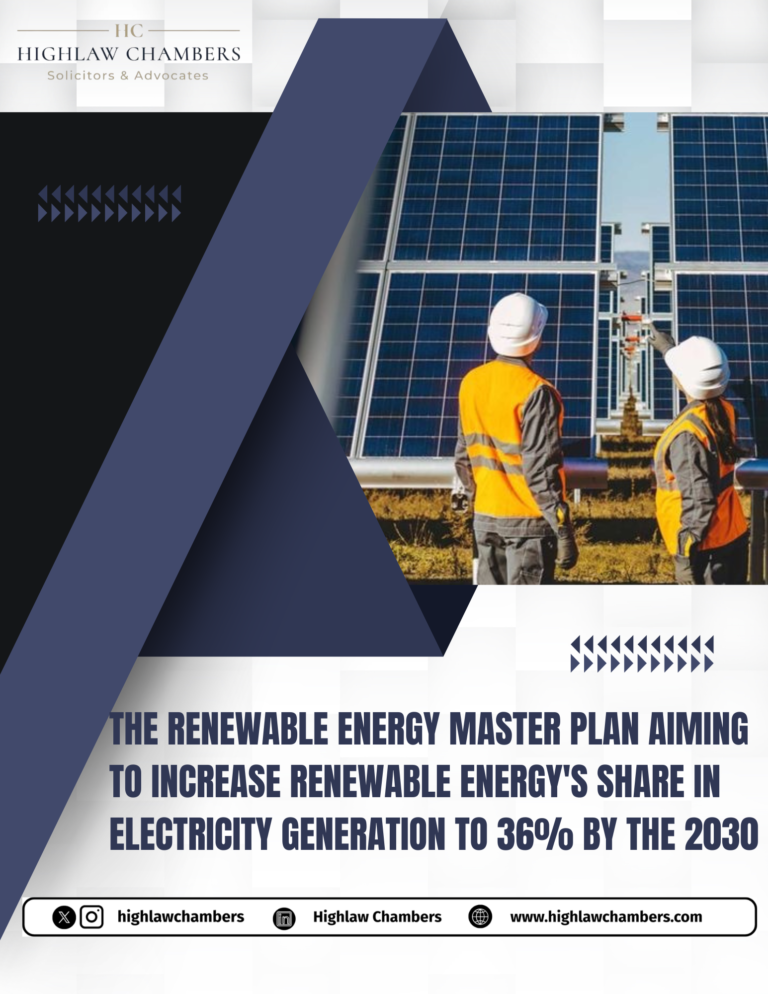
People-Centred Energy Transitions in Nigeria — Governance, Trust, and the Role of Law
By Highlaw Chambers
Energy transition discussions often focus on technology, finance, and infrastructure. Yet experience across jurisdictions shows that transitions succeed or fail based on governance, trust, and stakeholder engagement.
This article explores why a people-centred energy transition in Nigeria is emerging as a cornerstone of sustainable delivery, and how law underpins trust and accountability in the process.
Beyond Technology — Governance in Nigeria’s Energy Transition
Nigeria’s Energy Transition Plan (ETP) recognises that access, affordability, and sustainability must progress together. However, policy effectiveness depends not only on content but also on how decisions are made, communicated, and implemented, especially at state and community levels.
Where governance is weak, projects face:
- Community resistance,
- Prolonged disputes and delays,
- Reputational harm, and
- Investor hesitation.
These challenges are rarely technical – they are institutional and legal.
Stakeholder Engagement as Risk Management
Stakeholder engagement is not simply a social gesture; it is a form of risk mitigation.
For energy projects, especially in underserved or rural areas, early and structured engagement:
- Reduces disputes and litigation,
- Improves project sustainability,
- Strengthens local legitimacy, and
- Aligns expectations with project realities.
From a legal standpoint, weak engagement can expose developers to contractual instability and regulatory intervention.
Youth and Community Participation
With more than half of Nigeria’s population under 30, youth participation in the energy transition is not optional, it is essential. Young Nigerians are not only beneficiaries of reform; they are implementers, innovators, and advocates.
Frameworks that overlook youth and local community perspectives risk:
- Eroding public trust,
- Missing innovation potential, and
- Creating long-term legitimacy gaps.
A people-centred transition must therefore be inclusive in design, not symbolic in consultation.
Law as an Enabler of Trust
Legal frameworks provide the foundation for a transparent and predictable transition process. Trust grows when the law ensures:
- Clear institutional mandates,
- Transparent licensing and approval procedures,
- Predictable enforcement, and
- Accessible dispute-resolution mechanisms.
When law provides clarity, investors gain confidence and communities gain protection, a balance essential for sustainable progress.
Aligning National Ambition with Local Reality
Nigeria’s energy transition will ultimately be judged not by global commitments but by domestic outcomes, reliable energy for homes, schools, and enterprises.
Achieving this requires governance structures that combine national ambition with local accountability. A people-centred approach—anchored in law and trust—offers the most credible route to long-term impact.
Conclusion
Nigeria’s energy transition is not only technological, it is a governance transformation.
Lawyers, policymakers, regulators, and private actors all have roles in ensuring that the transition remains ambitious, credible, inclusive, and durable.
By embedding trust and legal accountability at its core, Nigeria’s transition can become both a domestic success story and a model for equitable energy transformation across Africa.
For broader policy context, see Nigeria’s Energy Transition Compact: From Ambition to Delivery